Maintaining a bitumen driveway on Brisbane Southside requires knowing when a simple repair is enough and when a full replacement or asphalt resurfacing is the smarter long-term choice. This guide explains the signs, typical causes, cost considerations, repair methods, and local factors that affect outcomes, helping homeowners make practical decisions that protect property value and reduce ongoing maintenance.
Why Brisbane Southside conditions matter
Local climate, soil types, and traffic patterns directly influence the performance of an asphalt driveway or bitumen carpark. Brisbane Southside experiences warm, humid summers with occasional heavy storms and dry, sun-intense periods. These cycles accelerate oxidation and UV damage in bitumen, increase crack propagation, and can cause subsurface drainage issues. Clay-rich soils common in some suburbs can also shift with wetting and drying, undermining pavements.
Quick fixes: when they work and what they include
Quick fixes are intended to stop active deterioration, restore surface https://www.tumblr.com/skepticalprisonangel/805882927976185856/asphalt-resurfacing-and-drainage-faqs-brisbane function, and extend life by a few years. They are most appropriate for driveways with superficial issues rather than structural failure.
Common signs that a quick fix will suffice
- Surface cracks under 6 mm in width that are not interconnected. Minor surface raveling (loose aggregate) without potholes. Small oil stains, superficial fading, or UV-bleached areas. Edge cracking where the central pavement is still sound.
Typical quick-fix methods
These methods are fast, lower-cost options commonly used across Brisbane Southside:
Crack sealing: Cleaning cracks and back-filling with a hot or cold pour sealant to prevent water ingress. Effective for non-structural cracks when applied properly. Surface patching: For localized raveling or small potholes, cutting out damaged asphalt and reinstating with compacted hotmix or proprietary coldpatch products. Thin overlay or dressed coat: A light asphalt layer (often 10–25 mm) applied to renew texture and seal minor defects. This is a budget-friendly form of asphalt resurfacing for driveways with sound bases. Sealcoating: Applying a protective bitumen emulsion or acrylic seal to slow oxidation, improve appearance, and seal minor pores.Advantages and limitations of quick fixes
Quick fixes are cost-effective and minimise disruption, with fast turnaround times—often a day or two for a typical suburban driveway. However, they only work when the pavement’s base layers remain intact. If subsurface weakening, extensive cracking, or drainage-related movement exists, quick fixes are likely short-term solutions and may need repeated attention.
Full replacement: when it's necessary
Full replacement or major reconstruction becomes necessary when structural failure is evident. This is not just about aesthetics but ensuring the pavement can support loads safely and reliably for a long period.
Red flags indicating replacement
- Widespread, interconnected alligator or fatigue cracking across the surface. Multiple potholes or surface depressions indicating base failure. Significant edge breakup, undermining, or sections sinking/unevenness. Persistent drainage problems—water pooling that reappears despite surface repairs. Base deterioration due to tree roots, burrowing, or long-term moisture migration.
Typical replacement process
A full replacement involves several steps to ensure long-term performance:
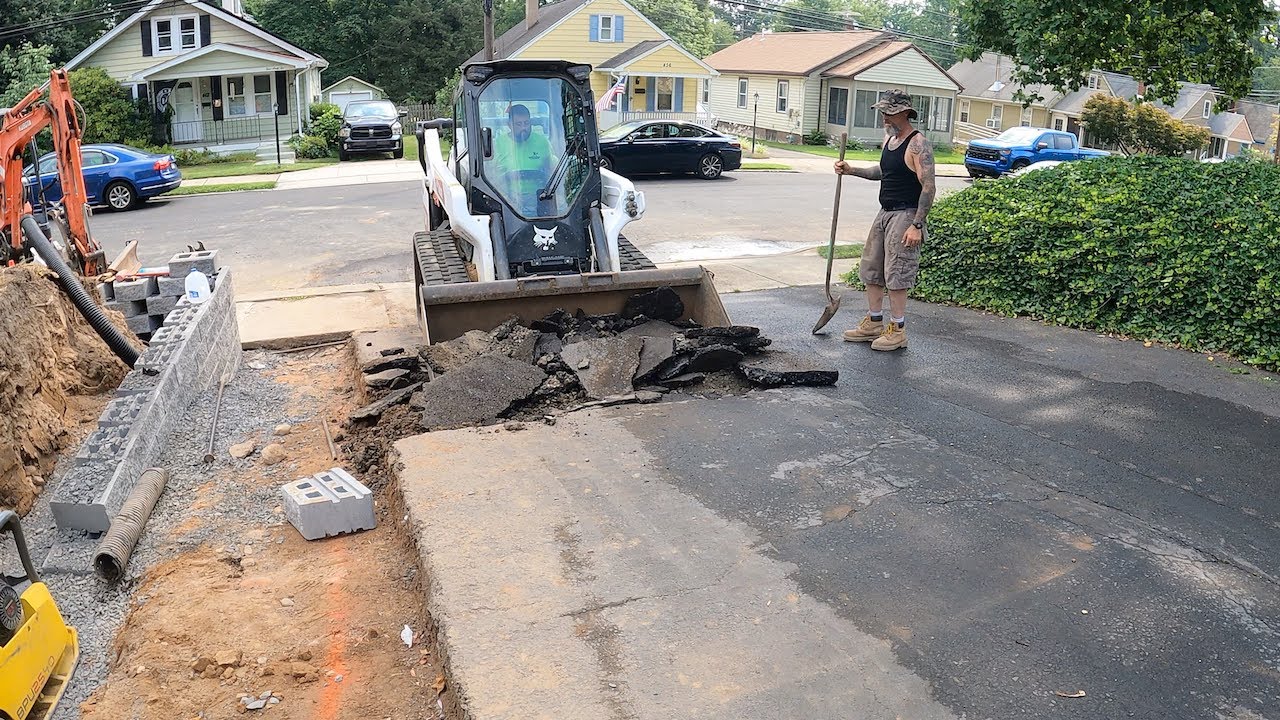
Assessment and core sampling: Inspecting pavement depth, checking base materials, and identifying moisture sources; samples may be taken to evaluate base strength. Excavation: Removing existing asphalt and, if necessary, unstable base material to a prescribed depth. Rebuilding the base: Installing suitable compacted base course (blue metal, crushed rock) and ensuring proper fall for drainage—critical in Brisbane Southside to avoid stormwater damage. Edge treatments: Installing concrete or kerb edges where appropriate to protect the new asphalt from lateral movement. New asphalt placement: Laying a new bitumen wearing course to the correct thickness and compaction standards. This is where professional hotmix delivery and compaction become important. Finishing: Joint sealing, profiling transition points, and allowing correct cure times before traffic.Benefits of full replacement
A properly executed replacement restores structural integrity and can add 15+ years of reliable service if materials and drainage are managed well. It also provides an opportunity to modify driveway grade, install improved drainage, or add decorative finishes like coloured asphalt or exposed aggregate edges—options increasingly used on Brisbane Southside homes.
Cost considerations for Brisbane Southside
Costs vary considerably depending on size, base condition, access, and local contractor rates in 2026. As a general guide:
- Quick fixes (crack sealing, minor patching): typically from a few hundred to around AUD 1,000–2,000 for average single-driveway jobs. Thin overlays or resurfacing: usually AUD 40–80 per square metre depending on thickness and prep work. Full replacement: commonly AUD 90–180+ per square metre when excavation, base rebuild, and quality hotmix placement are required.
Always obtain multiple quotes, request a written scope and materials list, and check contractor references and insurance. In Brisbane Southside, traffic permits or kerbside works may add to costs if road closures or council approvals are needed.
DIY vs professional work
Minor maintenance like cleaning, sealing small oil stains, and applying sealer can be DIY for handy homeowners. However, for crack sealing, compaction-critical patching, overlays, and all replacement work, professional contractors are recommended because:
- Professionals have access to hotmix, rollers, and appropriate jointing materials. Proper compaction and base preparation are essential for longevity—often beyond DIY capabilities. Contractors familiar with Brisbane Southside know local soil behaviour, drainage needs, and council requirements.
Preventive maintenance tips to extend life
Regular maintenance keeps repair costs down and improves safety:

- Clean regularly: Remove debris and plant matter that can trap moisture against the surface. Address oil and fuel spills promptly: Use commercial degreasers to prevent binder softening. Control drainage: Ensure gutters, downpipes, and surface fall direct water away from the driveway edges. Sealcoat every 3–7 years: In Brisbane Southside's climate, resealing slows UV oxidation and keeps small defects from growing. Avoid sharp turns and heavy overspeeding loads near edges to limit edge rutting and cracking.
Regulations, sustainable options, and 2026 trends
In 2026, local council policies increasingly encourage responsible stormwater management and permeable solutions. While traditional bitumen driveways remain common, trends include:
- Permeable asphalt and porous pavement systems to reduce runoff and comply with tighter stormwater controls—useful for Brisbane Southside properties with constrained drainage. Recycled asphalt use and warm-mix technologies that lower emissions and energy use in production and installation, becoming more available into 2027 and beyond. Greater focus on specifying correct pavement crossfall and edge protection to avoid damage from tropical storm events common to South East Queensland.
How to choose the right repair approach
Follow a simple decision process:
Inspect: Note the type and extent of defects—cracks, potholes, drainage, edge issues. Test: If unsure, request a contractor to perform core sampling or a structural assessment. Compare: Get at least three quotes detailing materials, timelines, warranties, and council permit responsibilities. Plan: For marginal cases, consider a staged approach—repair critical defects now, schedule resurfacing or replacement before the next wet season.Final considerations for Brisbane Southside homeowners
Choosing between quick fixes and full replacement depends on structural condition, budget, and long-term plans for the property. Quick fixes can be effective short-term when the base is sound. Full replacement becomes cost-effective when structural damage threatens safety or recurring repairs. For modern results, ask contractors about permeable options, recycled content, and warranties—these elements are increasingly relevant in 2026 as councils and homeowners prioritise sustainability and resilience. When in doubt, prioritise proper base repair and drainage—these determine how long any surface treatment will last.
If you need a site-specific assessment on Brisbane Southside, a competent contractor can provide a written condition report and recommended course of action including timelines and estimated costs tailored to your driveway’s size and usage.
Asphalt Driveways Brisbane Southside
Unit 5/30 McKechnie Dr, Eight Mile Plains QLD 4113, Australia
ph. (07) 3132 3631